
TL;DR
- Dental work needs three light layers: room lighting, the operatory light, and increasingly a clinician headlight.
- The operating light should deliver shadow-free illumination at the oral cavity without glare.
- LED headlights paired with loupes have become the precision standard.
- Bad lighting causes leaning – which makes it an ergonomics problem, not just a visibility one.
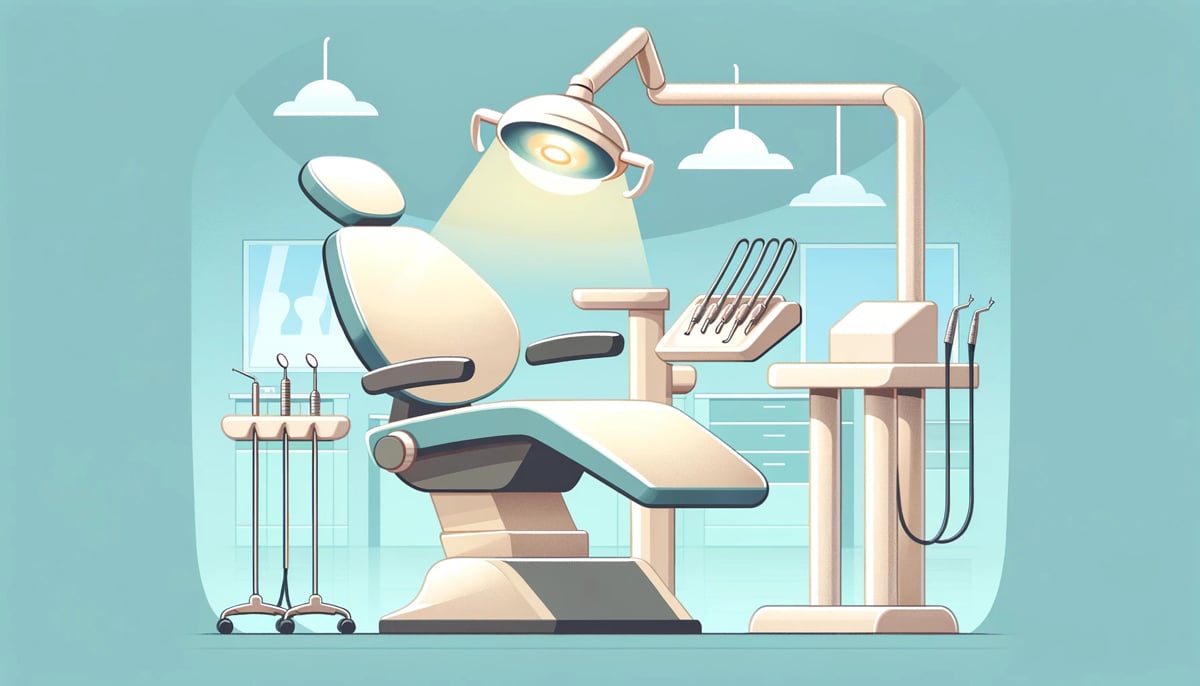
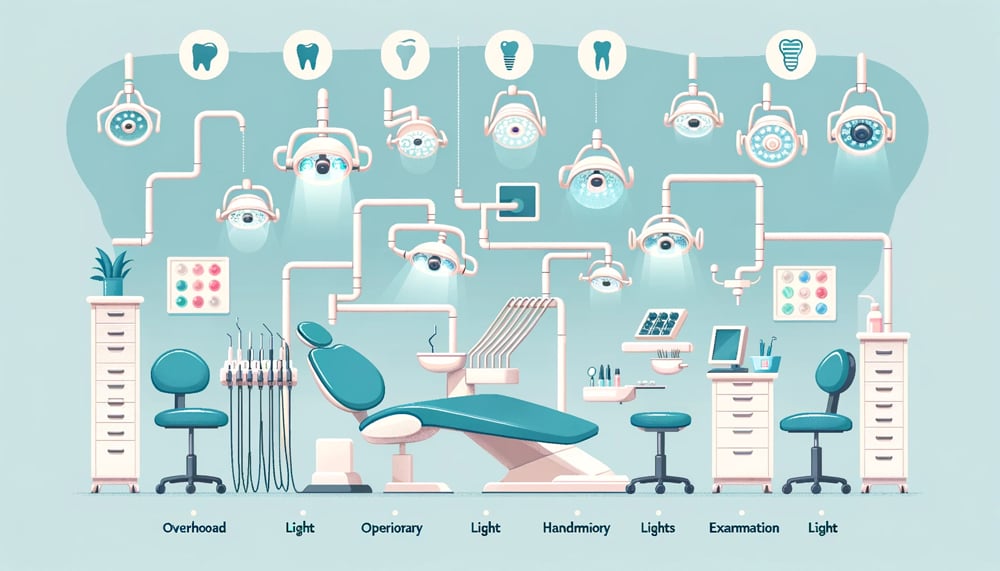
Dental chair lighting works in three layers – ambient room light, the chair-mounted operating light, and the clinician’s headlight – and the goal of all three is the same: see the work without leaning toward it.
Poor lighting is a hidden ergonomics problem, because every shadow you cannot resolve becomes a posture you should not hold.
Disclosure: this page contains affiliate links. If you buy through them we may earn a small commission at no extra cost to you.
The Three Layers of Operatory Lighting
| Layer | Job | What good looks like |
|---|---|---|
| Ambient room lighting | Reduce contrast fatigue between the bright field and the room | Even, indirect, color-neutral – no harsh spots |
| Operating light (chair-mounted) | Flood the oral cavity shadow-free | Modern LED, adjustable intensity, positionable without glare in the patient’s eyes |
| Clinician headlight | Precision illumination that follows your line of sight | Lightweight LED on loupes – eliminates the shadows your own hands cast |
Why Lighting Is an Ergonomics Issue
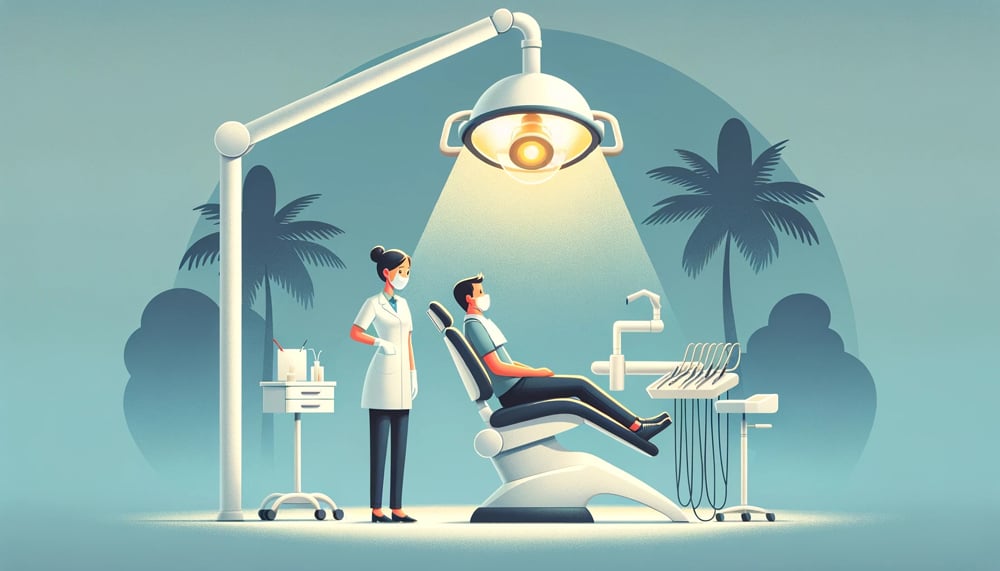
When clinicians cannot see, they lean – and leaning is the posture that the whole ergonomics system exists to prevent.
A properly positioned operating light plus a headlight removes the visual reason to break neutral posture; combined with correct chair height and a saddle stool, the visibility excuse for hunching disappears.
Upgrading on a Budget
- Clinician LED headlight: the highest-impact upgrade per dollar, especially with loupes. See headlight options
- LED retrofit for older operating lights: converts halogen units to cooler, brighter LED without replacing the arm.
- Position discipline: the light arm should move every time the patient position changes – a perfectly good light aimed wrong is a bad light.
FAQs
What lighting is used in dental chairs?
Modern dental units use chair-mounted LED operating lights delivering shadow-free illumination at the oral cavity, layered over even ambient room lighting and increasingly supplemented by clinician LED headlights mounted on loupes.
How bright should a dental operating light be?
Bright enough to illuminate the oral cavity clearly with adjustable intensity for different procedures, without glare in the patient’s eyes. Follow the manufacturer’s positioning guidance – distance and angle matter as much as raw brightness.
Are dental headlights worth it?
For precision work, yes – a headlight follows your line of sight and eliminates the shadows your own hands and instruments cast under an overhead light. Paired with loupes it has become the de facto standard for restorative work.