
An ergonomic dental chair for the clinician means one thing above all: a saddle stool adjusted so your hips sit clearly above your knees. That position restores the spine’s natural curve and is associated with significantly lower ergonomic risk than conventional flat stools in published research. This pillar guide covers the best options by need, how to set one up, and what the evidence actually says.
Disclosure: this page contains affiliate links. If you buy through them we may earn a small commission at no extra cost to you. This never affects which products we list.
Are you a dental hygienist specifically looking for a saddle stool? Our dedicated guide to the best saddle stool for dental hygienists covers seat width, fit by body type and hygienist-specific picks in far more depth than this page.
Quick Picks by Need
| Product | Best for | Price |
|---|---|---|
| Antlu ergonomic saddle stool | Best overall for hygienists | Check price |
| Cadiario tilting saddle | Best budget pick (the Reddit favorite) | Check price |
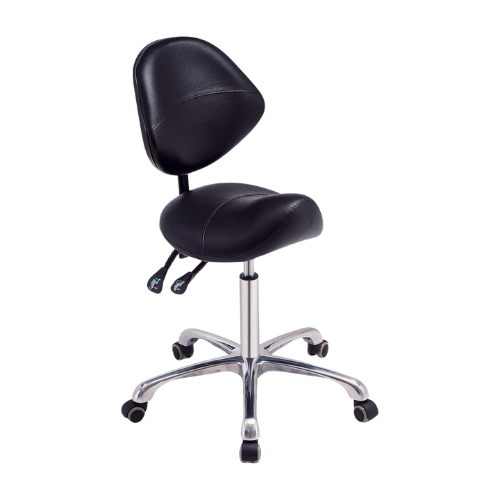
| Grace&Grace professional hydraulic | Smoothest adjustment | Check price |
| FRNIAMC heavy-duty saddle | Best for larger clinicians | Check price |
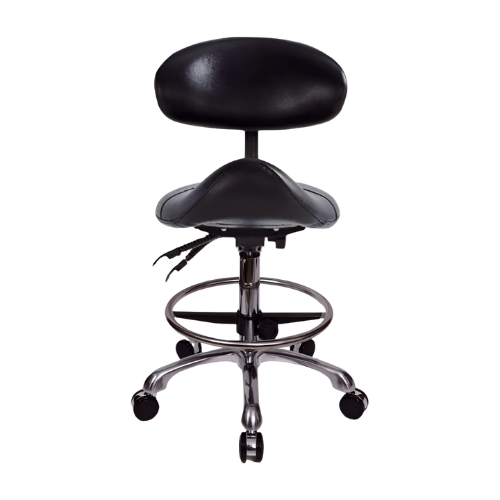
| MWOSEN with foot ring | Best for tall working heights | Check price |
Need something specific? See our focused guides: saddle stools with back support (best for assistants), split saddle stools (best if solid seats cause numbness) and stools with footrests (best for tall setups).
Not in dentistry? The same seating science applies to other seated professions – see our guides for tattoo artists, estheticians and lash techs, sonographers, veterinarians, salon professionals and anyone with sitting-related back pain. Considering the premium tier? See our Salli vs Bambach comparison and the Crown Seating brand guide. New to saddle seating? Start with why clinicians use saddle stools and how to sit on one correctly, or see models with armrests.
How We Pick
We are an independent review site: we do not sell chairs, and commissions never change rankings. We compare stools on saddle shape, cylinder height range, adjustability (seat tilt, backrest depth), weight rating, cushion firmness over a full clinical day, and real practitioner feedback from working hygienists and assistants, including community discussions. Where health claims appear, we cite published research. Full details on our How We Review page. For the complete posture picture beyond seating, see our dental ergonomics guide.
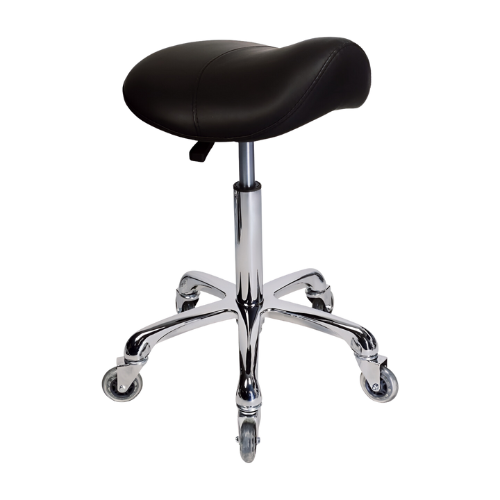
Antlu Ergonomic Dental Chair

MWOSEN Ergonomic Dental Chair
Grace&Grace Ergonomic Dental Chair
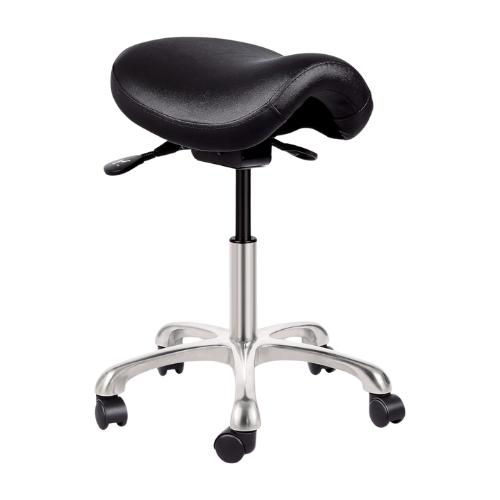
Eognyzie Ergonomic Dental Chair
FOHGFNT Ergonomic Dental Chair
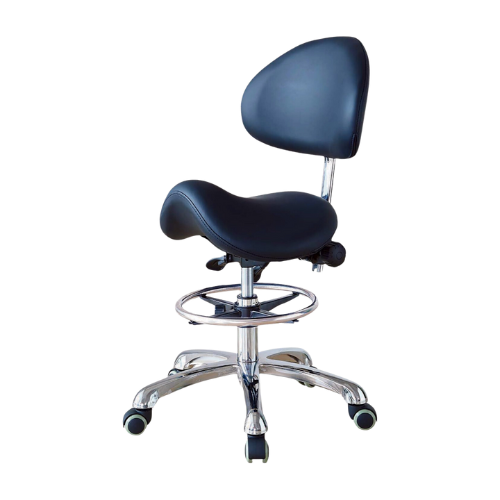
FRNIAMC Ergonomic Dental Chair (Camel)
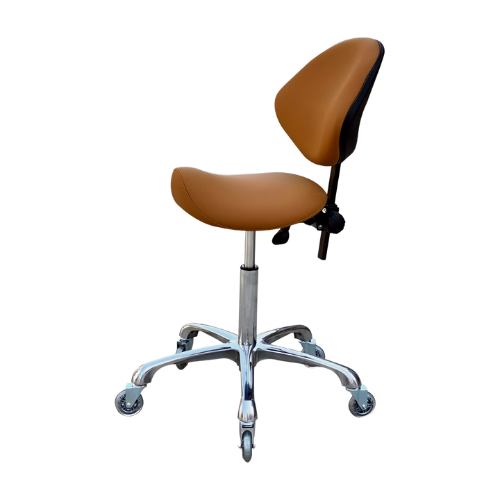
Antlu Ergonomic Dental Chair
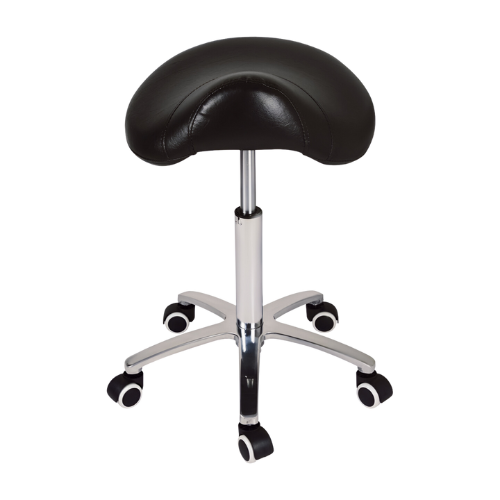
FRNIAMC Ergonomic Dental Chair (Black)
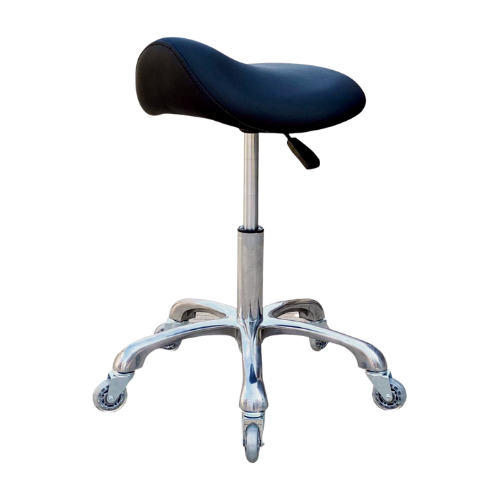
Cadiario Ergonomic Dental Chair
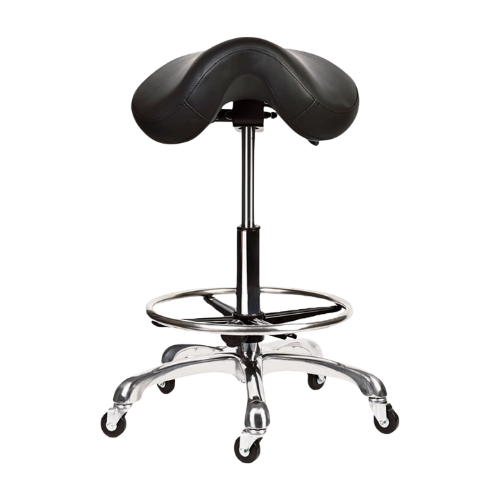
In dentistry’s dynamic and precision-oriented world, professionals engage in intricate procedures requiring focused work hours. The choice of seating in such an environment is not just a matter of comfort but a critical factor affecting the health of the practitioner and the quality of patient care.
Understanding these unique requirements, our exclusive range of ergonomic saddle stool dental chairs is crafted to provide unparalleled support and comfort.
These chairs are more than functional tools; they represent a harmonious blend of innovative design and aesthetic elegance, transforming dental operatories into modern, efficient workspaces that speak of professionalism and care.
Benefits of Using Ergonomic Saddle Stool Dental Chairs
- Promotes Better Posture and Spinal Health:
- The saddle design of these chairs mimics the natural standing posture, a critical feature for dental professionals who spend long hours seated. This design effectively reduces the strain on the lower back, a common complaint among dental practitioners, and mitigates the risk of chronic spinal issues.
- These chairs encourage upright posture, ensuring better pelvis and spine alignment. This alignment is particularly beneficial for dental professionals, who often need to lean forward or maintain awkward positions for extended periods. The chair’s design helps distribute weight evenly and maintain natural spinal curvature, reducing the risk of musculoskeletal discomfort and injuries.
- Customizable for Individual Comfort:
- Recognizing that comfort is subjective and varies from person to person, these chairs come equipped with adjustable features such as seat height, tilt, and back support. These adjustments allow each dental professional to tailor the chair to their specific body type and working preferences.
- The chairs are fitted with either hydraulic or pneumatic lift mechanisms, providing a smooth transition between different heights and positions. This feature is crucial for maintaining comfort and effectiveness in the fast-paced dental environment.
- Constructed with Premium Materials:
- Durability and longevity are key considerations in our chair design. We utilize high-grade materials such as reinforced aluminum for the bases and resilient foam padding for the seating, ensuring that the chairs withstand the rigors of daily use in a busy dental practice.
- We offer various material options, from breathable fabrics that ensure comfort during long procedures to easy-to-clean vinyls that meet the high hygiene standards essential in dental settings. Each material is selected for its durability, comfort, and ease of maintenance.
- Supports Dynamic Working Styles:
- The unique design of our chairs facilitates 360-degree movement. This feature is invaluable in a dental operatory, where practitioners need to access equipment, interact with patients, or collaborate with colleagues without physical strain.
- Despite their sturdy construction, these chairs are lightweight and equipped with smooth-rolling casters, enabling effortless movement around the operatory. This mobility enhances efficiency and reduces the time and effort required for repositioning during various dental procedures.
- Enhances Operatory Aesthetics:
- Our chairs are not just about functionality; they are designed to enhance the visual appeal of your dental practice. With sleek, modern designs, they complement the professional environment of dental clinics.
- Available in a range of colors and finishes, these chairs can either blend seamlessly with your existing decor or serve as a statement piece in your operatory. The aesthetic versatility of our chairs allows you to create an environment that reflects your practice’s ethos and style.
- Maximizes Comfort During Procedures:
- The ergonomically contoured seats are designed to reduce pressure on the thighs and lower back, areas often affected during long periods of seated work. This design minimizes fatigue, allowing dental professionals to focus on their procedures without discomfort.
- Beyond immediate comfort, the chairs promote better circulation and comfort during lengthy dental procedures. This attention to physiological well-being can significantly enhance the practitioner’s concentration and precision, directly impacting the quality of patient care.
Choosing the Right Ergonomic Chair
Selecting the ideal ergonomic chair requires careful consideration of several key factors to ensure you get the best fit for your needs. Here’s an expanded guide to help you make an informed decision:
- Size and Ergonomics:
- Body Fit: The chair should comfortably accommodate your body size. Ensure you have enough room to sit and move without feeling cramped. The design should cater to various body types, providing a universal fit that can be adjusted.
- Lumbar Support: A good chair should have a backrest that contours to the natural curve of your spine, offering targeted lumbar support. This feature is crucial in preventing lower back pain, a common issue among dental professionals.
- Adjustment Features:
- Versatile Adjustments: Look for chairs that offer a wide range of adjustments. This includes seat height, seat tilt, and backrest angle, allowing you to maintain an ergonomic position relative to your working environment.
- Ease of Use: Adjustment controls should be intuitive and easily accessible, enabling you to make changes swiftly and efficiently, even during patient care. This flexibility is vital for adapting to different tasks, and patient needs throughout the day.
- Material Quality and Maintenance:
- High-Quality Materials: Select chairs made from materials that balance comfort and durability. This could include high-density foams, quality fabrics, or medical-grade vinyls that withstand the rigors of a dental practice.
- Hygiene and Maintenance: Considering the cleanliness requirements of a dental operatory, chairs with removable and washable covers are ideal. Also, look for materials resistant to stains and easy to disinfect.
- Support and Stability:
- Robust Base: The chair should have a solid and sturdy base, ensuring stability during all movements. This is particularly important when reaching for instruments or adjusting positions during procedures.
- Weight Capacity: Ensure the chair can comfortably support your weight and your equipment without any risk of tipping or wobbling.
- Mobility and Flexibility:
- Suitable Casters: The wheels or casters should be compatible with the flooring in your clinic. They should roll smoothly, allowing for easy maneuvering without damaging the floor.
- Portability: Consider the chair’s weight and ease of movement. A lightweight design is preferable for easy repositioning within the operatory and across different rooms.
- Aesthetic Compatibility:
- Design Appeal: The chair should complement the overall look of your dental clinic. Whether you prefer a modern, sleek design or a more traditional aesthetic, the chair should enhance the clinic’s atmosphere.
- Color and Finish: Chairs in various colors and finishes allow for better integration with your clinic’s existing color scheme and decor, contributing positively to the overall patient experience.
- Budget and Value:
- Cost-Effectiveness: While investing in quality, ensure the chair is within budget. It’s important to balance cost with features and longevity.
- Warranty and After-Sales Service: Consider the warranty period and the quality of after-sales service provided. This includes availability of parts, maintenance support, and customer service responsiveness.
Our Collection
At Saddle Stool Dental Chair, we pride ourselves on offering a comprehensive selection of ergonomic chairs, each thoughtfully designed to cater to the diverse requirements of dental professionals.
Our range extends from essential models perfect for general dental practice to highly specialized chairs for dental surgeons and orthodontists. Here’s a closer look at our collection:
- General Practitioner Models:
- These chairs are designed for versatility and offer fundamental ergonomic features such as adjustable height and tilt, ensuring comfort during various dental procedures.
- These chairs balance functionality and cost-effectiveness, ideal for practices where a range of dental services are provided.
- Specialist Chairs:
- These chairs, tailored for specific dental fields, have advanced features like enhanced lumbar support, adjustable armrests, and more precise positioning capabilities.
- They provide additional support and comfort for specialized procedures requiring extended periods of focus and precision.
- Pediatric Dentistry Chairs:
- They are specially designed with colorful and engaging aesthetics to create a welcoming environment for young patients.
- Features include smaller sizing for better ergonomics when treating children and easy-to-clean surfaces for maintaining hygiene.
- Orthodontic Chairs:
- These chairs are optimized for orthodontists’ unique needs. They feature higher adjustability for precision work and improved patient access.
- Enhanced stability and support are provided for procedures that require both the dentist and patient to remain in a fixed position for extended periods.
- Customizable Options:
- Our collection includes models that can be customized in color, material, and specific ergonomic features, allowing you to tailor the chair to your practice’s unique needs and aesthetic.
- Advanced Ergonomic Designs:
- Some chairs in our collection feature cutting-edge ergonomic designs, such as memory foam cushioning, temperature-regulating fabrics, and dynamically adjusting backrests to ensure maximum comfort for dental professionals.
FAQs
-
How does the saddle design benefit dental professionals?
The saddle design promotes an upright posture, closely mirroring the natural standing position. This reduces the load on the spine and lower back, decreasing fatigue and decreasing the risk of developing musculoskeletal disorders.
-
Are these chairs suitable for all-day use?
Absolutely. Our chairs are engineered for durability and sustained comfort, making them ideal for prolonged daily use in busy dental practices.
-
Can the chairs be customized for specific needs?
Yes, many of our models offer customization options. These include choices in colors, materials, and specific features like armrests and headrests, allowing for a chair that is tailored to your personal preferences and practice requirements.
-
Do these chairs require special maintenance?
Regular maintenance is straightforward. Most chairs can be kept clean with standard cleaning agents. Models with removable covers offer the added convenience of easy washing, ensuring a hygienic environment for practitioners and patients.
-
How do I choose the right chair for my practice?
Consider the specific nature of your dental procedures, the physical layout of your operatory, and your personal ergonomic needs. Factors like the chair’s adjustability, support features, and materials should align with the demands of your daily practice.
By exploring our diverse range, you’re sure to find the perfect ergonomic chair that meets your professional needs while also enhancing the comfort and experience of your patients.
What the Evidence Says About Saddle Seating
Work-related musculoskeletal pain affects the large majority of dental professionals at some point in their careers, and poor seated posture is a central driver. A systematic review and meta-analysis in the ergonomics literature found saddle seats were associated with significantly lower ergonomic risk scores than conventional seats (Assessment of the ergonomic risk from saddle and conventional seats in dentistry, PMC). The mechanism is simple: the saddle opens the hip angle to roughly 135 degrees, tilting the pelvis forward so the lumbar spine keeps its natural curve without effort.
Setting Up Your Saddle Stool Correctly
A saddle stool that is set up wrong can hurt more than a normal chair, and incorrect setup is the most common reason practitioners give up on them. Three rules:
- Height: hips clearly above knees, thighs sloping down at roughly 45 degrees, feet flat. You will sit noticeably higher than on a conventional stool; raise the patient chair to match.
- Tilt: if your stool has seat tilt, start level and add small forward tilt only if you feel your lower back rounding.
- Transition gradually: saddle seating works muscles conventional chairs let sleep. Use it for part of the day at first; most people adapt fully within one to two weeks.
Height adjustment matters for the patient chair too – here is how to adjust a dental chair properly, and if you are equipping a full operatory, check our guides to dental chair weight limits and electric vs hydraulic chairs.