
TL;DR
- Electric chairs win on precision, quiet, and programmable presets.
- Hydraulic chairs win on price, simplicity, and serviceability.
- A sinking chair almost always means worn hydraulic seals – a cheap repair.
- Both types last 10 to 20 years with maintenance.
Choose an electric dental chair if you are equipping a practice for the long term: they position more precisely, run quieter, and support programmable presets.
Choose hydraulic if budget and simplicity matter most: they cost less, tolerate rough conditions, and a technician anywhere can service them.
Here is the full comparison, how each system actually works, and which one fits which practice.
Disclosure: some links on this page are affiliate links. If you buy through them we may earn a small commission at no extra cost to you.
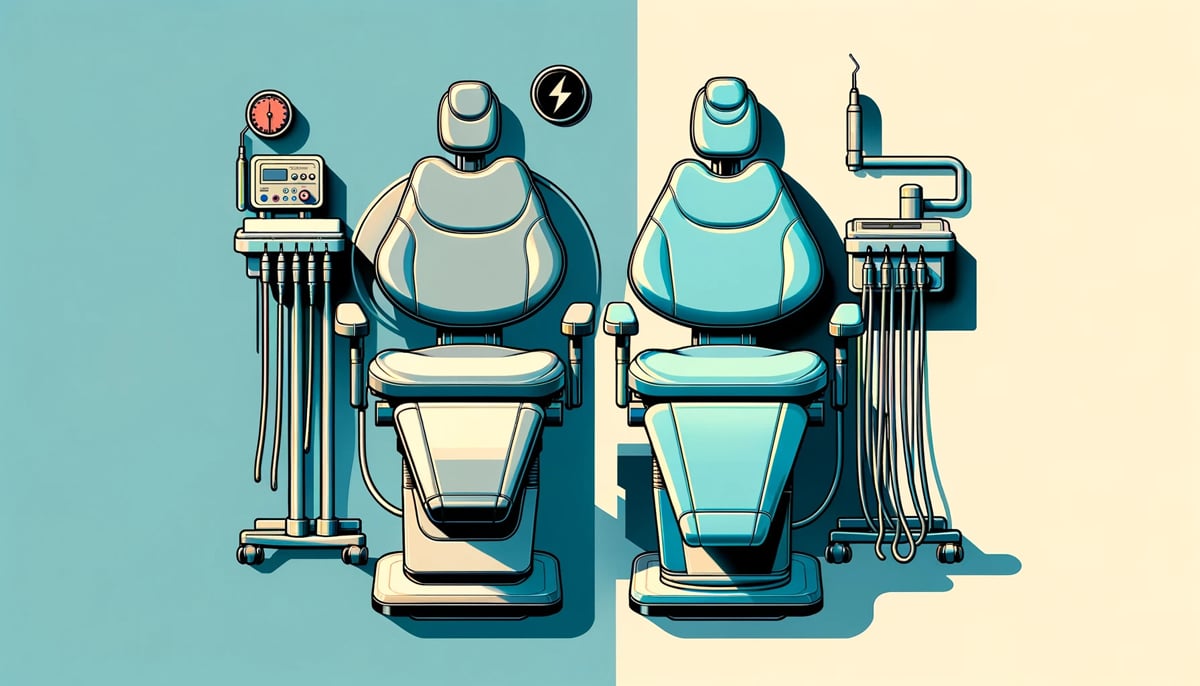
Electric vs Hydraulic: Side-by-Side
| Electric | Hydraulic | |
|---|---|---|
| Drive mechanism | Electric motors / actuators | Fluid pressure via pump |
| Positioning | Precise, programmable presets | Manual or foot-pump control, less precise |
| Noise | Quiet | Audible pump noise |
| Purchase price | Higher | Lower, often the entry-level option |
| Maintenance | Electronics and actuators; needs qualified service | Seals and fluid checks; simple and widely serviceable |
| Common failure mode | Control board or actuator faults | Slow sinking from worn seals or low fluid |
| Best for | New builds, high-volume practices, ergonomics-focused teams | Budget setups, mobile and rural clinics, used-equipment buyers |
How Hydraulic Dental Chairs Work
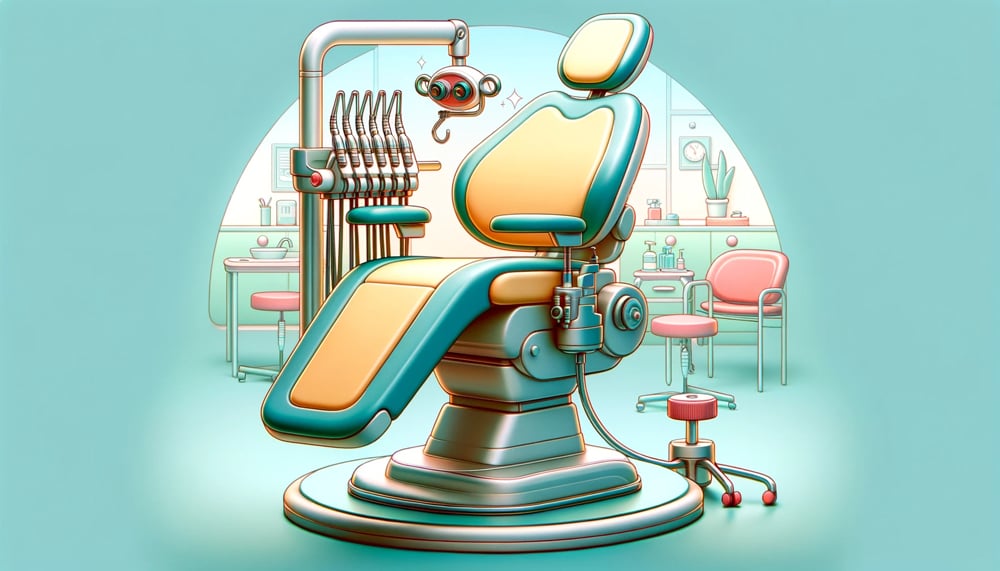
A pump pressurizes hydraulic fluid to raise and tilt the chair, the same principle as a car jack.
Because the mechanism is mechanical and self-contained, hydraulic chairs shrug off voltage fluctuations and keep working in conditions that would sideline electronics.
The trade-offs are pump noise, less precise positioning, and the classic aging symptom: a chair that slowly sinks during treatment as seals wear.
Fluid and seal checks belong on your maintenance schedule.
How Electric Dental Chairs Work
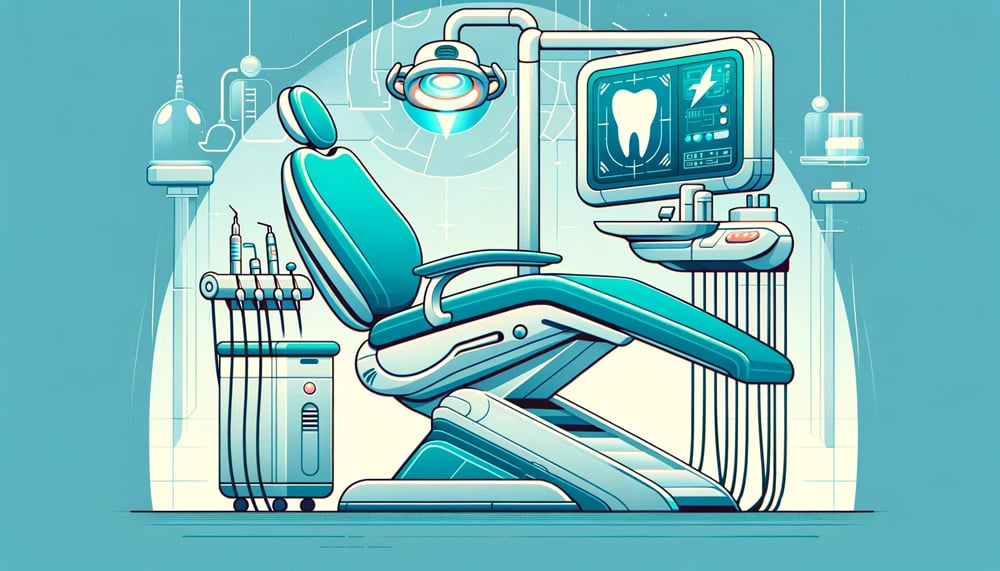
Electric motors drive each axis independently, which is what makes programmable preset positions possible: one tap returns the chair to your exact working position for hygiene, restorative or surgical work.
Movement is smooth and nearly silent, which anxious patients notice.
The electronics need a stable dedicated circuit and qualified service when a board or actuator fails, and repairs cost more than hydraulic seal work.
Cost Difference
Hydraulic chairs dominate the lower price tiers and the used market; electric chairs command a premium that buys precision and presets.
Over a 10-to-20-year service life the purchase gap narrows: hydraulic chairs need cheaper but more frequent attention, electric chairs need rarer but pricier repairs.
Full number breakdown in our guide to dental chair costs, and if you are considering pre-owned, hydraulic models are the safer used buy — see the types of dental chairs for the wider landscape.
Which Should You Choose?
- New permanent practice, plans to grow: electric. The preset positions alone save minutes per patient, every patient.
- Tight budget or buying used: hydraulic. More chair per dollar and any equipment technician can service it.
- Mobile, rural or unstable power: hydraulic, no contest.
- Ergonomics-first team: electric chair for the patient, and pair it with proper clinician seating. A height-adjustable hydraulic saddle stool for the operator is the cheap half of the ergonomic equation. Check saddle stool prices on Amazon, or read our ergonomic seating guide.
FAQs
How does a hydraulic dental chair work?
A pump pressurizes hydraulic fluid to raise, lower and tilt the chair, like a car jack. Movement is controlled by valves via a foot or hand control. The system is mechanical and self-contained, which makes it reliable but noisier and less precise than electric drives.
Which lasts longer, electric or hydraulic dental chairs?
Both commonly serve 10 to 20 years with proper care. Hydraulic chairs need more frequent but cheaper maintenance (seals, fluid); electric chairs need rarer but costlier repairs (actuators, control boards).
Why is my hydraulic dental chair sinking?
Slow sinking under load is the classic symptom of worn seals or low hydraulic fluid. Both are routine repairs for an equipment technician and far cheaper than replacing the chair.
Are electric dental chairs worth the extra cost?
For a permanent, busy practice, usually yes: programmable preset positions save chair-adjustment time on every appointment and positioning is more precise. For budget or mobile setups the hydraulic premium in reliability and price wins.
What is the price difference between electric and hydraulic dental chairs?
Hydraulic chairs occupy the lower price tiers and dominate the used market, while comparable electric models carry a clear premium. The gap narrows over the chair’s life because hydraulic units need more frequent servicing.